Dyspepsia
Young patients with dyspepsia who do not exhibit concerning symptoms including bleeding, anemia, weight loss, or dysphagia may be prescribed a drug trial; if symptoms persist, further research should be done.


Young patients with dyspepsia who do not exhibit concerning symptoms including bleeding, anemia, weight loss, or dysphagia may be prescribed a drug trial; if symptoms persist, further research should be done.

Increased frequency or decreased consistency (liquid or semisolid) of stool is known as diarrhea. Diarrhea can be acute (less than 28 days) or chronic. Acute diarrhea is primarily infectious in origin, self-limiting, and treated with oral and intravenous fluids, as well as, in certain cases, antibiotics and ant parasitic agents. Pancreatic insufficiency and disorders of the small and large intestine are the causes of persistent diarrhea.
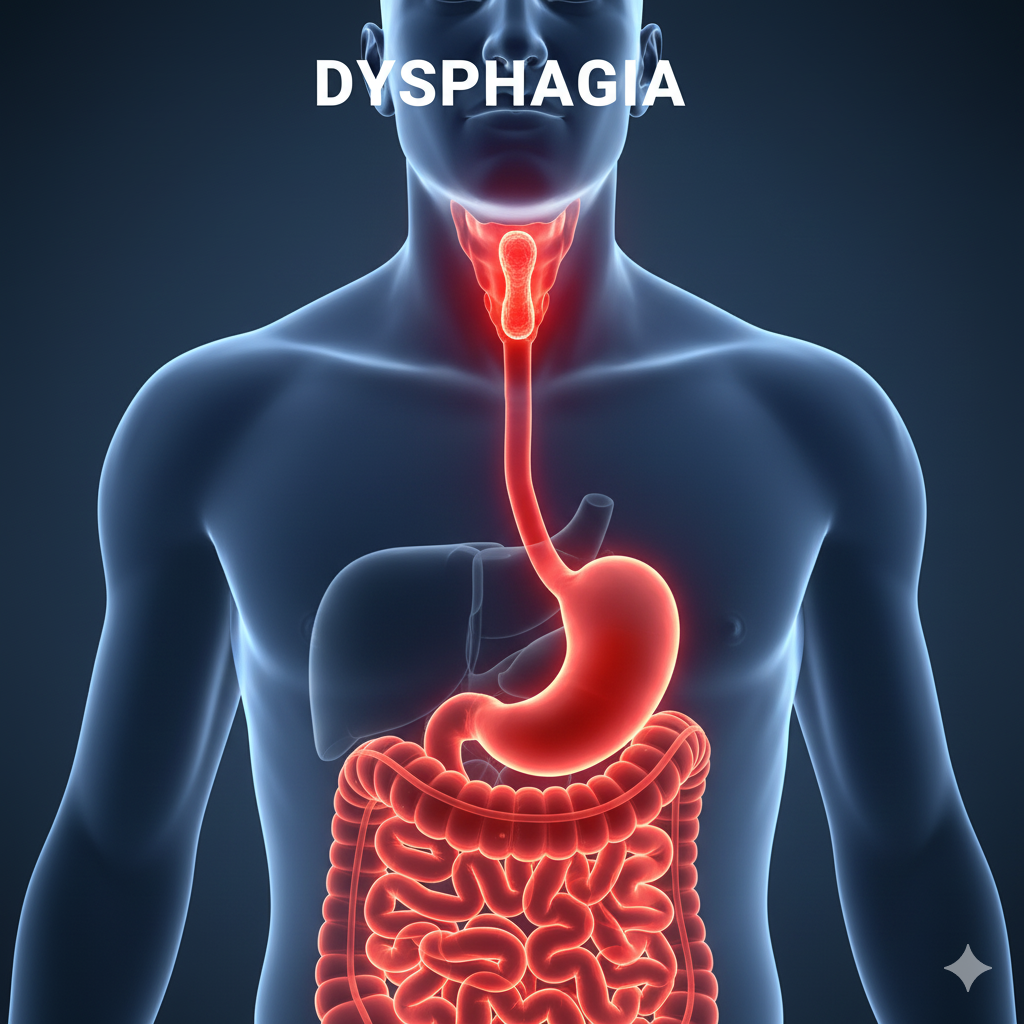
Dysphagia, or trouble swallowing food, is caused by a number of esophageal problems.
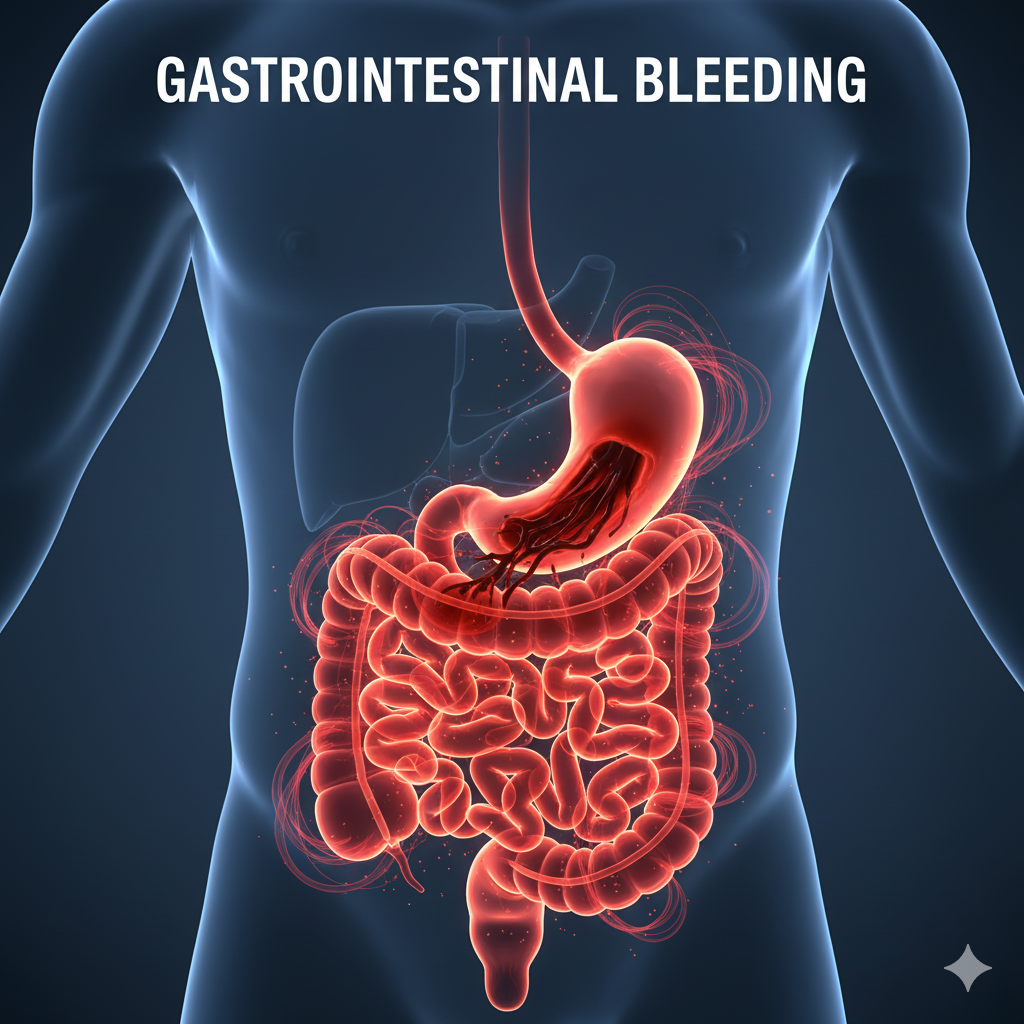
Gastrointestinal bleeding is described as bleeding from any section of the gastrointestinal tract from the mouth to the anus. The patient may have fresh red or coffee-colored blood in their mouth or in their feces. (which may be black, maroon, or red).